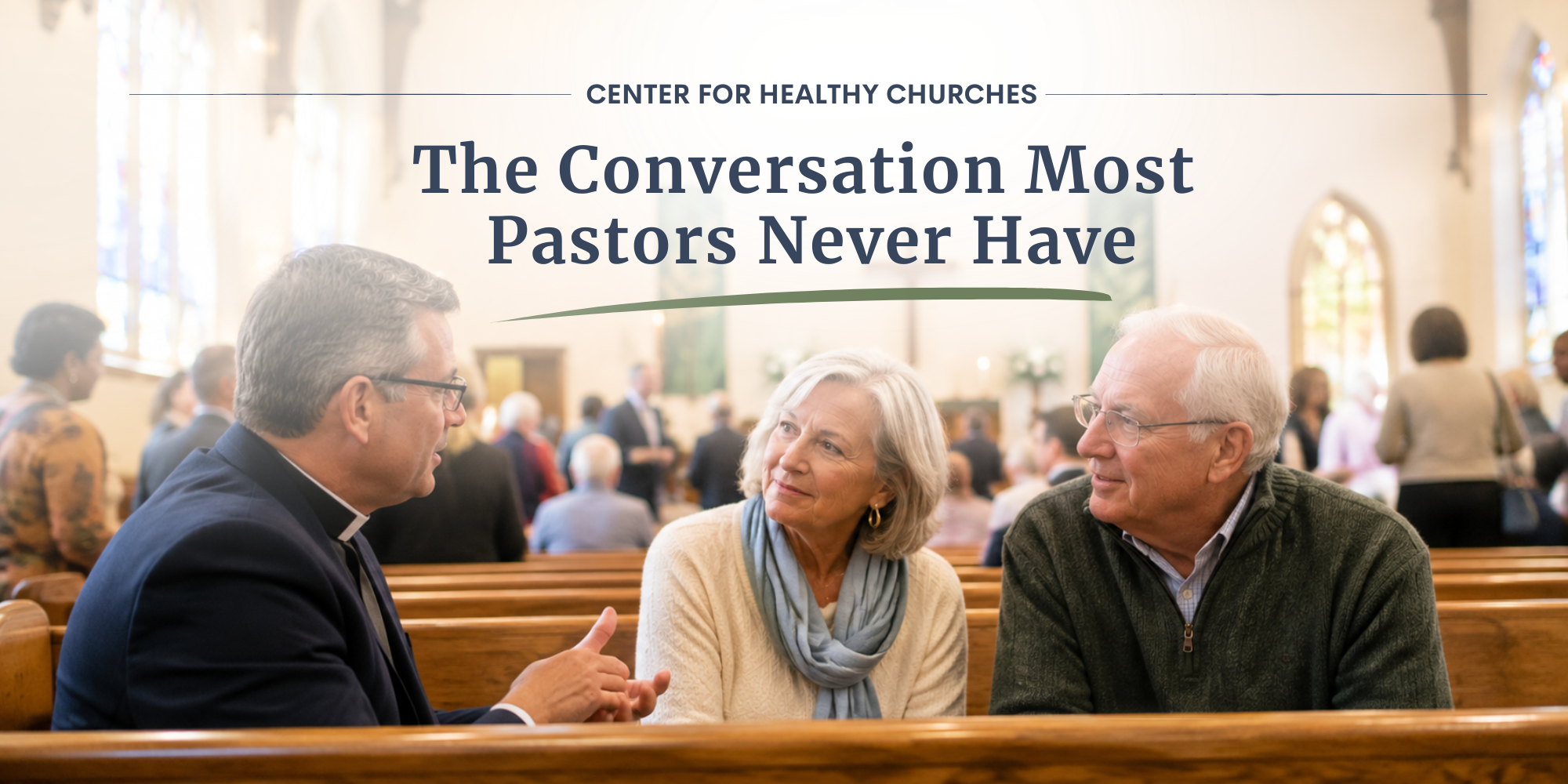
Some of your most faithful members could give far more than they do. Most of them are waiting for you to start the conversation.
Picture a couple who have sat in the same pew for twenty years. They are at church most Sundays. They serve on committees when asked. Their giving looks about like the giving of the young family sitting next to them. When they update their estate plan, a large gift goes to the university where they met, and a modest one goes to the church. Nobody at the church ever talked with them about it.
That story plays out in congregations all over the country. Research by CCS Fundraising found a steady pattern in parish after parish: high-net-worth families were giving often, and giving well below their means. The reason came down to two things. No one had taken the time to understand their potential, and no one had asked.
These households are probably already in your church. Nationally, about 14 million U.S. households have investable assets of $1 million or more or earn over $200,000 a year. The Bank of America Study of Philanthropy found that 91% of them give to charity, and religion is the single largest category they support.
Here is what makes this group different in the current economy. The worry that is holding back your middle-income families does very little to them. Consumer sentiment tracks kitchen-table pressures like grocery and gas prices. Wealthy households feel those far less. Their outlook rises and falls with their investment portfolios. Even with sentiment near historic lows in early 2026, a Foundation Source survey found that 93% of high-net-worth donors planned to keep or increase their charitable giving.
So why don’t more pastors pursue these relationships? Usually because of a healthy instinct. James 2 warns against favoring the rich, and many pastors choose not to know who gives what. That instinct protects the church from a real danger. Carried too far, it also leaves some members without a shepherd for one of the hardest parts of their spiritual lives. Wealth raises real questions about identity, fear, purpose, and legacy. You are well placed to help people answer them.
The donors often carry their own hesitation. Many have watched a large gift create unhealthy dependence or unwanted influence somewhere else, so they stay in the middle on purpose. A pastor who names that concern in a private conversation, and explains plainly that a gift will not buy influence or change the relationship, can remove an obstacle no brochure will ever touch.
What moves these givers is vision. A budget shortfall tends to worry them. A clear picture of what the church will build in its community over the next five years invites them in. They respond to a real relationship with their pastor, to regular reports on what their gifts accomplished, and to being treated as partners in the mission. They also give in ways many churches are not ready to receive, through appreciated stock, donor-advised funds, and estate gifts. Research shows that donors who make a documented bequest commitment give about twice as much each year afterward.
Our white paper, The High-Capacity Giver, lays out who these members are, what motivates them, the two fears that keep the right conversations from happening, and a five-step path any pastor can begin this month. It is written for pastors, with a pastor’s care for the people involved.
The conversation that feels most awkward to start often ends with the donor saying, “I’ve been waiting years for someone to ask me that.”
| Download the free white paper: The High-Capacity Giver |
Leave a Reply